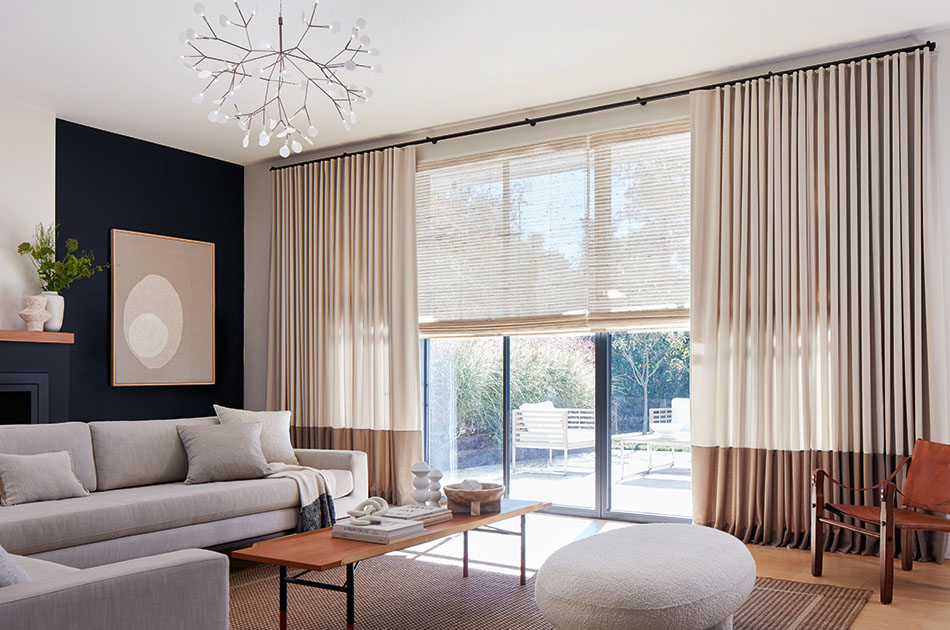
Window coverings take up a lot of visual space, so replacing them can transform a room without moving furniture or repainting walls. Custom curtains and blinds also address practical details that ready-made options may leave unresolved, such as uneven window recesses or awkward door handles. A considered choice brings the room together as soon as installation is complete, although custom orders take time to make. The first decision is how each covering should fit the window.
Fit The Window And Room
A made-to-measure covering follows the opening’s dimensions and suits the position of nearby fittings. When comparing curtains and blinds in Melbourne, homeowners should consider window handles, architraves and furniture before choosing where a track or blind will sit. A clear plan prevents a curtain from catching on a handle or a blind from obstructing a door.
Inside-mounted blinds sit within a suitable recess for a neat appearance. Outside-mounted options cover the frame and need clear wall space. For curtains, allow room besides the window for the fabric to stack when open, so it does not unnecessarily obscure the view.
Control Daylight And Privacy
A living room used throughout the day needs different light control from a bedroom. Sheer curtains soften daylight, while blockout fabrics reduce incoming light when closed. The amount of light entering around any covering also depends on its fit and installation.
Layering a sheer curtain with a blockout blind gives occupants separate controls for daytime privacy and darker evenings. Sheer fabric does not guarantee privacy after dark when interior lights are on, so check visibility from outside before relying on it alone.
For a street-facing room, adjustable blind slats offer another way to let in light while limiting direct views. The angle also changes the view outward, so it is worth testing the operation before deciding.
Choose Colour And Texture
Window coverings work best when their colour relates to something already in the room. A fabric close to the wall colour creates a quieter backdrop, while a darker shade gives the window a more defined edge.
Texture matters as much as colour. A softly woven curtain adds visual weight beside smooth painted walls, whereas a plain blind keeps attention on furniture or artwork. Patterned fabric can bring character to a simple room, but its scale should suit the window and the surrounding furnishings.
Samples are useful at home because artificial light and daylight change how colours appear. Place them beside the wall and flooring, then check them at different times of day.
Match Coverings To Daily Use
A covering should be easy to operate in the room where it is installed. A frequently opened sliding door needs an arrangement that leaves the handle accessible and keeps fabric clear of the doorway. A curtain that draws to one side is one option where wall space permits.
In a kitchen, consider splashes and cleaning instructions before choosing fabric. Bathrooms need materials suited to moisture, and bedrooms benefit from a covering that closes easily at night.
Homes with young children also need attention to blind cords and chains. Ask about cordless controls or suitable safety devices, and check that any installation keeps operating cords out of reach.
Plan The Finished Proportions
Curtain length changes the appearance of a room. Fabric that reaches the floor creates a continuous vertical line, while a shorter length may suit a window above a bench or radiator. Agree on the intended finish before the fabric is cut.
Track position matters too. A track above the frame draws the eye upward, provided there is enough clear wall space. The width should accommodate the gathered curtain without covering too much glass.
For blinds, discuss visible gaps around the edges and the mechanism’s position. These details affect both the finished appearance and how much light enters when the blind is closed.
Avoid Delays Before Ordering
A quick visual update still requires preparation. Check the condition of walls and frames, and identify any obstructions before taking measurements. Uneven surfaces, projecting handles and existing fittings all affect the installation plan.
Confirm who will remove old coverings and whether repairs or painting need to happen first. Homeowners should also ask for an expected production and installation schedule rather than assuming a custom order is ready immediately.
Before approving an order, review the fabric, lining, operating side and mounting position. A written record gives both parties a reference if a detail needs clarification. For several rooms, list each window separately to avoid confusing similar selections.
Conclusion
A successful update starts with the window that causes the most frustration, whether the problem is glare, privacy or an awkward fit. Photograph the opening, note how the room is used and check nearby handles before discussing options. Compare fabric samples in the space rather than choosing by colour alone. Once you agree on the mounting position and operation, a custom covering can give the room a finished look without requiring a wider renovation.